
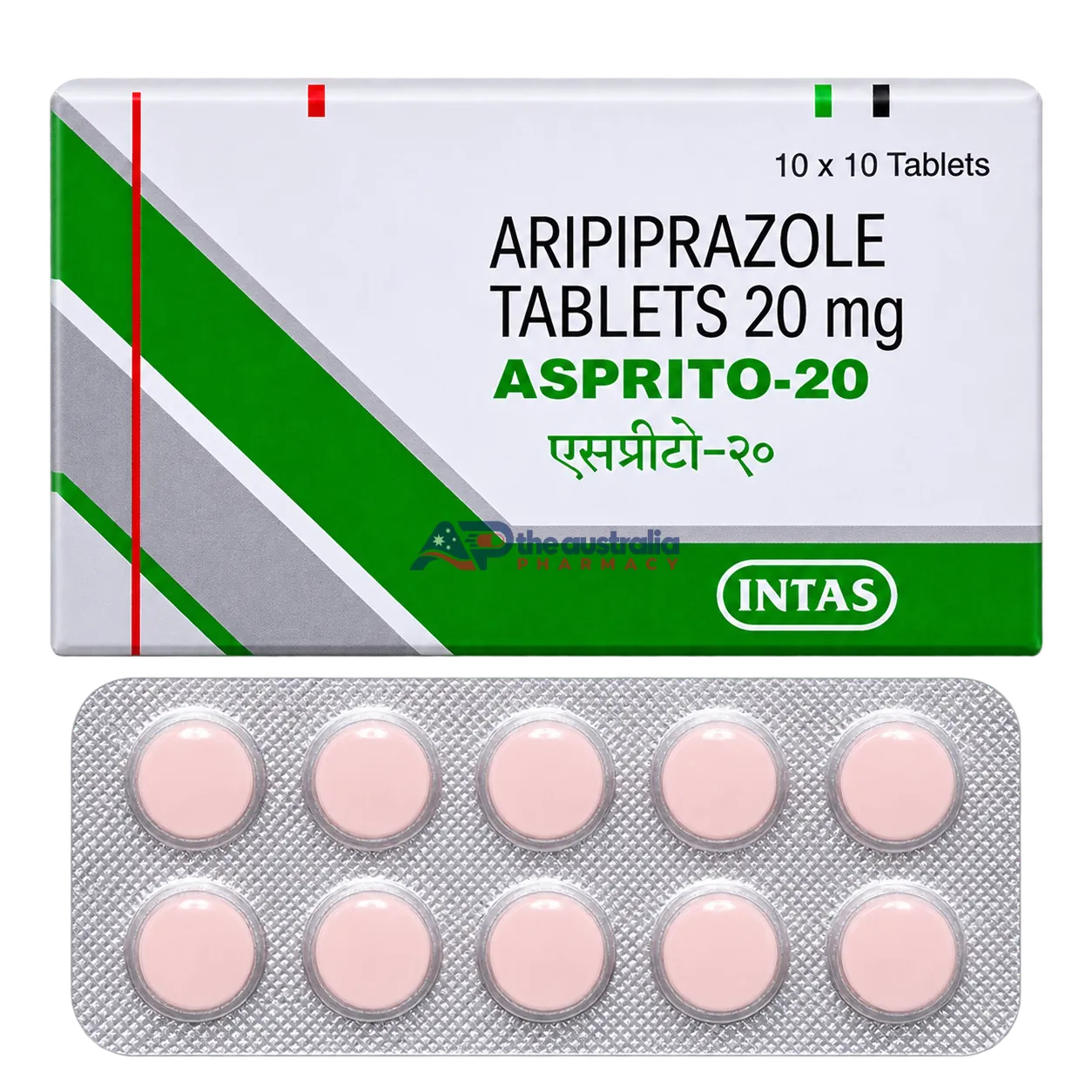
Abilify 20 mg (Generic) Tablet Product Information
Abilify 20 mg Tablet contains aripiprazole, a prescription antipsychotic medicine used to manage certain mental health conditions, including schizophrenia and bipolar I disorder. It works by affecting dopamine and serotonin signaling in the brain, helping manage symptoms such as hallucinations, delusions, and manic episodes.
The 20 mg strength may be prescribed for selected patients, but it is not the usual starting dose for everyone. Treatment requires medical supervision, appropriate dose selection, and regular monitoring for side effects.
| Product Details | Information |
|---|---|
| Product name | Abilify 20 mg Tablet |
| Active ingredient | Aripiprazole |
| Strength | 20 mg per tablet |
| Dosage form | Oral tablet |
| Medicine class | Atypical antipsychotic |
| Established uses | Schizophrenia and manic or mixed episodes associated with bipolar I disorder |
| Administration | Oral, according to the prescribed schedule |
| Typical dosing frequency | Once daily for many adult oral treatment regimens |
| Food instructions | Can be taken with or without food |
| Prescription requirement | Prescription medicine |
| Important monitoring | Weight, blood glucose, lipids, movement symptoms, mood, and treatment response |
| Important risks | Movement disorders, metabolic changes, impulse-control problems, and neuroleptic malignant syndrome |
What Is Abilify 20 mg Tablet?
Abilify 20 mg is an oral antipsychotic medicine containing aripiprazole as its active ingredient.
Aripiprazole belongs to a group of medicines called atypical or second-generation antipsychotics.
These medicines affect chemical signaling in the brain and are used to manage certain psychiatric conditions.
Abilify is commonly associated with the treatment of schizophrenia and bipolar I disorder, although the appropriate treatment plan depends on the patient’s diagnosis, symptoms, medical history, and response to medication.
Schizophrenia can affect thinking, perception, emotions, and behavior. Some people experience hallucinations, unusual beliefs, disorganized thinking, or reduced motivation.
Bipolar I disorder involves episodes of mania, which can cause unusually elevated or irritable mood, increased energy, reduced need for sleep, and impulsive behavior.
Aripiprazole helps manage certain symptoms of these conditions, but it does not permanently cure schizophrenia or bipolar disorder.
Treatment commonly involves ongoing medical follow-up, medication review, and psychological or social support.
What Is Abilify 20 mg Used For?
Aripiprazole is used to treat several psychiatric conditions, but the appropriate strength and regimen vary.
The 20 mg tablet may be prescribed for selected adults who need that amount of aripiprazole.
Schizophrenia
Schizophrenia is a long-term mental health condition that can affect thoughts, emotions, behavior, and perception.
People with schizophrenia may experience symptoms such as hallucinations, delusions, disorganized speech, or difficulty managing daily activities.
Aripiprazole may help reduce symptoms such as:
- Hearing or seeing things that other people do not experience.
- Holding strongly fixed beliefs that are not supported by reality.
- Disorganized thinking or speech.
- Agitation or certain disturbances in behavior.
- Recurrence of psychotic symptoms during ongoing treatment.
Response to treatment varies. Some symptoms may improve more readily than others.
Aripiprazole may also be used as part of longer-term treatment to reduce the risk of symptom recurrence.
Bipolar I Disorder
Bipolar I disorder is characterized by episodes of mania, sometimes accompanied by depressive episodes.
During mania, a person may experience unusually high energy, reduced need for sleep, rapid speech, impulsive decisions, or an excessively elevated or irritable mood.
Aripiprazole may be prescribed to treat manic or mixed episodes associated with bipolar disorder.
It may help manage:
- Excessive activity or agitation.
- Elevated or irritable mood.
- Racing thoughts.
- Impulsive behavior associated with mania.
- Certain symptoms that occur during mixed mood episodes.
Aripiprazole may also be continued for maintenance treatment in selected patients.
It is important to distinguish treatment for mania from treatment for bipolar depression. Aripiprazole is not an established stand-alone treatment for acute bipolar depressive episodes.
Other Uses of Aripiprazole
Aripiprazole is used in certain other psychiatric treatment regimens, including as an additional medicine for major depressive disorder in some settings.
However, 20 mg is not the standard dose for every condition associated with aripiprazole.
A healthcare professional should determine the appropriate medicine, strength, and treatment schedule for the specific diagnosis.
How Does Abilify 20 mg Work?
Aripiprazole affects chemical messengers in the brain, particularly dopamine and serotonin.
These neurotransmitters help regulate mood, thinking, motivation, movement, and behavior.
Aripiprazole acts as a partial agonist at certain dopamine D2 and serotonin 5-HT1A receptors. It also blocks serotonin 5-HT2A receptors.
A partial agonist produces a limited receptor response rather than fully activating or completely blocking the receptor.
Through these actions, aripiprazole can help regulate signaling in brain pathways associated with psychosis and mood symptoms.
Its effects differ from those of some antipsychotics that primarily block dopamine receptors.
However, aripiprazole can still cause movement-related side effects, restlessness, and other unwanted reactions.
The exact way its receptor activity translates into clinical improvement is not completely understood.
How to Take Abilify 20 mg Tablet
Abilify should be taken exactly as prescribed by a qualified healthcare professional.
For many adult treatment regimens, oral aripiprazole is taken once daily.
The appropriate dose depends on the condition being treated, previous treatment response, other medicines, and individual tolerability.
Recommended Dosage for Schizophrenia
For adults with schizophrenia, the usual recommended starting and target dose is generally 10 mg or 15 mg once daily.
Depending on treatment response, a healthcare professional may adjust the dose within the established range.
The maximum generally recommended adult oral dose is 30 mg daily.
Although 20 mg is within this range, it is not automatically necessary or more effective for every patient.
Recommended Dosage for Bipolar I Disorder
For adults experiencing manic or mixed episodes associated with bipolar I disorder, common starting doses include 15 mg daily when used alone or 10–15 mg daily when used with certain mood stabilizers.
The prescriber may adjust the dose according to clinical response and tolerability, up to the established maximum of 30 mg daily.
The correct regimen depends on whether aripiprazole is being used alone or with another treatment.
General Administration Instructions
- Take the prescribed dose at approximately the same time each day.
- Swallow the tablet with water.
- Abilify tablets can generally be taken with or without food.
- Do not increase or decrease the prescribed dose independently.
- Do not take additional tablets if symptoms have not improved immediately.
- Do not combine antipsychotic medicines without specific medical direction.
The aripiprazole medicine information describes important administration precautions and the need to follow the prescribed treatment schedule.
The 20 mg tablet strength does not mean that 20 mg is the correct starting or daily dose for every patient.
How Long Does Abilify 20 mg Take to Work?
Aripiprazole is absorbed after oral administration, with peak blood concentrations generally occurring within approximately three to five hours.
However, reaching peak blood concentrations is different from experiencing improvement in psychiatric symptoms.
Some patients may notice changes in agitation, mood, or sleep during the early stages of treatment.
Improvement in hallucinations, delusions, and other symptoms may take several days to weeks.
A fuller assessment of treatment effectiveness may require several weeks, depending on the diagnosis and individual circumstances.
Aripiprazole has a relatively long elimination half-life, averaging approximately 75 hours in many adults, although metabolism varies.
Because the medicine remains in the body for an extended period, dose changes should be made carefully under medical supervision.
Do not stop taking Abilify simply because symptoms begin to improve. Your prescriber should determine the appropriate treatment duration.
Benefits of Abilify 20 mg Treatment
When prescribed appropriately, aripiprazole may help manage certain symptoms of schizophrenia and bipolar I disorder.
Reduction in Psychotic Symptoms
Aripiprazole may help reduce hallucinations, delusions, and disorganized thinking in people with schizophrenia.
The extent of improvement varies between patients.
Management of Manic Episodes
For suitable patients with bipolar I disorder, aripiprazole may reduce symptoms associated with mania, including agitation, unusually elevated mood, and excessive activity.
Maintenance of Symptom Control
Continued treatment may help reduce the risk of symptom recurrence in selected patients.
Regular follow-up remains important, even when symptoms are stable.
Once-Daily Oral Administration
Aripiprazole tablets are commonly prescribed once daily for adult schizophrenia and bipolar I treatment.
A consistent medication routine may help patients follow their prescribed treatment plan.
These benefits are not guaranteed. A healthcare professional should regularly assess whether the medicine remains appropriate.
Common Side Effects of Abilify 20 mg
Like other antipsychotic medicines, aripiprazole can cause unwanted effects.
Commonly reported side effects include:
- Nausea
- Vomiting
- Constipation
- Headache
- Dizziness
- Sleepiness
- Difficulty sleeping
- Anxiety
- Restlessness
- Tremor
- Blurred vision
- Increased appetite or weight changes
One particularly important side effect is akathisia, which involves an uncomfortable feeling of inner restlessness and an urge to keep moving.
Some patients may find it difficult to sit still or may repeatedly move their legs or pace.
Akathisia can sometimes be mistaken for worsening anxiety or agitation.
If new restlessness develops after starting treatment or changing the dose, contact your prescriber.
Aripiprazole may also cause dizziness or sleepiness, particularly during treatment initiation.
Do not drive or operate machinery until you understand how the medicine affects you.
If you experience an unexpected reaction, the site’s medicine side effects and adverse events information provides a relevant resource for reporting concerns. Serious symptoms require immediate medical attention.
Serious Side Effects and Warning Signs
Although uncommon, aripiprazole can cause serious adverse reactions.
Neuroleptic Malignant Syndrome
Neuroleptic malignant syndrome (NMS) is a rare but potentially life-threatening reaction associated with antipsychotic medicines.
Symptoms may include:
- High fever.
- Severe muscle stiffness.
- Confusion or changes in consciousness.
- Heavy sweating.
- Rapid heartbeat.
- Unstable blood pressure.
Seek emergency medical care immediately if symptoms suggest neuroleptic malignant syndrome.
Tardive Dyskinesia
Tardive dyskinesia involves involuntary movements that may affect the mouth, tongue, face, arms, or other parts of the body.
Examples include repeated lip movements, tongue movements, or facial grimacing.
These symptoms can sometimes persist after the medicine is stopped.
Report any new or unusual movements to a healthcare professional promptly.
Severe High Blood Sugar
Antipsychotic medicines, including aripiprazole, can sometimes cause significant increases in blood glucose.
Warning signs may include extreme thirst, frequent urination, unusual hunger, or weakness.
Seek urgent care for severe symptoms, particularly vomiting, confusion, or breathing changes.
Unusual Impulse-Control Behaviors
Aripiprazole has been associated with compulsive behaviors, including excessive gambling, shopping, eating, or sexual urges.
Patients may not immediately recognize these behaviors as medication-related.
Contact your prescriber if unusual or difficult-to-control urges develop.
Seizures and Severe Allergic Reactions
Seizures, significant swelling, breathing difficulties, or other severe reactions require urgent medical assessment.
Precautions Before Taking Abilify 20 mg
A healthcare professional should review your medical history before prescribing aripiprazole.
Older Adults With Dementia-Related Psychosis
Antipsychotic medicines carry an increased risk of death in older adults with dementia-related psychosis.
Aripiprazole should not be assumed appropriate for treating behavioral symptoms associated with dementia.
A specialist should evaluate the risks and any potential treatment alternatives.
Diabetes and Metabolic Conditions
Tell your healthcare professional if you have diabetes, high cholesterol, or risk factors for metabolic disease.
Aripiprazole may affect blood glucose, weight, and lipid levels.
Regular monitoring may be necessary.
Heart and Blood Pressure Conditions
Aripiprazole can cause dizziness and a drop in blood pressure when standing.
This may increase the risk of falls, particularly in older adults or people taking blood pressure medicines.
Seizure Disorders
People with epilepsy or a history of seizures should discuss these conditions with their prescriber.
Mental Health and Suicidal Thoughts
Some patients may experience changes in mood, behavior, or suicidal thinking during psychiatric treatment.
Close monitoring is particularly important when treatment begins or the dose changes.
Seek immediate help if suicidal thoughts, severe behavioral changes, or thoughts of self-harm occur.
Abilify 20 mg Drug Interactions
Aripiprazole is processed in the liver mainly through the CYP2D6 and CYP3A4 enzyme systems.
Certain medicines can increase or decrease its concentration in the body.
Certain Antidepressants
Fluoxetine and paroxetine are strong CYP2D6 inhibitors that may increase aripiprazole exposure.
A prescriber may need to adjust the aripiprazole dose.
Antifungal and Antibiotic Medicines
Strong CYP3A4 inhibitors, including ketoconazole and clarithromycin, can increase aripiprazole concentrations.
Dose adjustment may be necessary.
Certain Epilepsy Medicines
Carbamazepine can increase the breakdown of aripiprazole and reduce its concentration.
A clinician may need to review the treatment regimen.
Blood Pressure Medicines
Aripiprazole may increase the blood-pressure-lowering effects of some medicines.
This can contribute to dizziness or fainting.
Alcohol and Sedative Medicines
Alcohol and other medicines that cause drowsiness may increase impairment or sedation.
Avoid alcohol during treatment unless your healthcare professional has provided appropriate advice.
Before starting any new medicine, a medicine safety review should consider prescription drugs, over-the-counter products, and supplements.
Monitoring During Abilify Treatment
Regular monitoring helps healthcare professionals assess effectiveness and identify unwanted effects.
Depending on individual circumstances, monitoring may include:
| Monitoring Area | Why It Matters |
|---|---|
| Weight and BMI | To identify significant weight changes |
| Blood glucose or HbA1c | To assess blood sugar changes |
| Blood lipids | To identify changes in cholesterol and triglycerides |
| Blood pressure | To monitor dizziness and cardiovascular effects |
| Movement symptoms | To detect akathisia, tremors, or tardive dyskinesia |
| Mood and behavior | To assess treatment response and psychiatric symptoms |
| Medication review | To identify interactions and dosing concerns |
The frequency of monitoring depends on the patient’s health, treatment history, and clinical response.
Do not skip scheduled follow-up appointments simply because symptoms have improved.
Abilify 20 mg During Pregnancy and Breastfeeding
- Aripiprazole use during pregnancy requires careful medical assessment.
- Exposure to antipsychotic medicines during the third trimester may cause temporary movement-related symptoms or withdrawal effects in newborns.
- These may include abnormal muscle tone, tremors, feeding difficulties, sleepiness, or breathing problems.
- However, untreated psychiatric conditions can also create risks during pregnancy.
- A healthcare professional should assess the benefits and risks of continuing or changing treatment.
- Aripiprazole can pass into breast milk and may also reduce milk production in some individuals.
- Patients who are pregnant, planning pregnancy, or breastfeeding should discuss treatment with their prescriber.
Do not stop prescribed antipsychotic treatment suddenly because of pregnancy concerns without medical advice.
What Happens If You Miss an Abilify Dose?
If you miss a prescribed dose of Abilify, take it when you remember unless it is nearly time for your next scheduled dose.
If the next dose is approaching, skip the missed dose and return to your usual schedule.
Do not take two doses together to make up for a missed tablet.
- If you miss several doses, contact your prescriber or pharmacist before restarting.
- Do not stop or repeatedly interrupt aripiprazole treatment without medical guidance because psychiatric symptoms may return or worsen.
Available Abilify Tablet Strengths
Abilify oral tablets are available in several established strengths in some markets.
| Strength | General Information |
|---|---|
| 2 mg | Lower-dose formulation used in selected treatment regimens |
| 5 mg | Lower-strength oral tablet |
| 10 mg | Common starting strength for certain adult conditions |
| 15 mg | Common target strength in some treatment regimens |
| 20 mg | Higher-strength tablet for selected patients |
| 30 mg | Highest established oral tablet strength in certain markets |
Availability depends on the country, product registration, and supplier.
These strengths should not be treated as interchangeable without medical advice.
The appropriate dose depends on the patient’s diagnosis, treatment response, and other medicines.
The exact Australian pack quantities and supplier details should be confirmed from the current product packaging.
Abilify 20 mg Alternatives and Substitutes
Other antipsychotic medicines may be considered when aripiprazole is ineffective, poorly tolerated, or unsuitable.
Treatment selection depends on the psychiatric diagnosis, previous medicine response, side effects, and individual medical history.
Generic Aripiprazole
- Generic aripiprazole tablets contain the same active ingredient as Abilify.
- Different products may vary in tablet appearance, inactive ingredients, and manufacturing details.
- A pharmacist should confirm whether a particular generic formulation is an appropriate substitute.
Risperidone
- Risperidone is another atypical antipsychotic used for certain psychiatric conditions.
- It differs from aripiprazole in its receptor effects, dosing, and adverse-effect profile.
Quetiapine
- Quetiapine is an atypical antipsychotic used in treatment regimens for schizophrenia and bipolar disorder.
- It has different sedation, metabolic, and dosing considerations.
Olanzapine
- Olanzapine is another antipsychotic used for schizophrenia and certain bipolar disorder symptoms.
- It may carry different risks, including significant weight gain and metabolic changes.
Long-Acting Aripiprazole Formulations
- Long-acting injectable aripiprazole formulations are available for certain conditions.
- They have different administration schedules and requirements from oral tablets.
Oral Abilify 20 mg and long-acting injectable aripiprazole are not directly interchangeable.
Do not switch between antipsychotic medicines or formulations without a specialist-directed plan.
Practical Care During Abilify Treatment
- Consistent medication use and regular medical follow-up are important parts of psychiatric care.
- Take aripiprazole according to the prescribed schedule.
- Maintain an accurate list of all medicines and supplements you use.
- Report new restlessness, unusual movements, mood changes, or compulsive behaviors promptly.
- Follow recommended checks for weight, blood glucose, cholesterol, and blood pressure.
- Regular physical activity, balanced nutrition, and sufficient sleep may support general health during treatment.
- Avoid driving or operating dangerous machinery if you feel dizzy, sleepy, or otherwise impaired.
- Store Abilify tablets according to the product label, away from excessive moisture and heat.
- Keep the medicine securely out of reach of children and anyone for whom it was not prescribed.
- Do not share prescription antipsychotic medication with others.
Frequently Asked Questions
1. Is Abilify 20 mg the same as generic aripiprazole 20 mg?
Both contain the same active ingredient at the same labeled strength when supplied as equivalent oral tablets. However, inactive ingredients, tablet appearance, and manufacturers may differ. A pharmacist can confirm whether a particular generic product is an appropriate substitute.
2. Can Abilify 20 mg tablets be crushed or split?
Do not assume every Abilify tablet is suitable for crushing or splitting. Tablet characteristics can differ by product and manufacturer. Ask a pharmacist to confirm whether the specific prescribed tablet can be altered.
3. What should I do if I vomit after taking Abilify?
Do not automatically take another tablet because some aripiprazole may already have been absorbed. Contact your pharmacist or prescriber for advice. Repeating a dose without guidance may increase the risk of adverse effects.
4. Can Abilify affect the body’s response to hot weather?
Yes. Antipsychotic medicines can interfere with the body’s ability to regulate temperature. During hot weather or strenuous exercise, take precautions against overheating and dehydration. Seek medical advice if you develop unusual weakness, confusion, or signs of heat illness.
5. Is Abilify 20 mg suitable for treating anxiety alone?
Aripiprazole is not a standard stand-alone treatment for ordinary anxiety symptoms. Its use depends on the diagnosed psychiatric condition and the overall treatment plan. A qualified healthcare professional should assess whether another treatment is more appropriate.
Reviews
There are no reviews yet.